
Slow-Moving Swamp Boats Provide a Closer Look at Louisiana Wetland Wildlife and Habitats

Looking only at the water means missing a large part of what is happening”
NEW ORLEANS, LA, UNITED STATES, August 27, 2026 /EINPresswire.com/ -- — Milton Walker Jr.
Louisiana’s swamps and wetlands contain wildlife, vegetation, waterways, and natural features that can be difficult to notice when moving quickly through the environment. Traveling at a slower pace by boat can provide opportunities to observe details ranging from alligator behavior and bird activity to cypress trees, aquatic plants, changing water levels, and signs of other animals living throughout the ecosystem.
Milton Walker Jr., owner of Louisiana Tour Company in New Orleans, Louisiana, says slower movement can change how visitors experience a swamp.
“A swamp contains activity in almost every direction, but much of it is easy to miss,” Walker said. “Slowing down provides more time to watch the waterline, tree branches, vegetation, and shoreline. Sometimes an animal has been sitting in plain sight for several minutes before anyone notices it.”
Alligators are among the animals most commonly associated with Louisiana swamps, but spotting one can require careful observation.
An alligator resting near a shoreline can blend into mud, logs, branches, and vegetation. When partially submerged, only the eyes, nostrils, or upper portion of the head may remain visible above the water.
Slow boat movement provides additional time to scan those areas and observe natural behavior without relying entirely on obvious movement.
## Bird Activity Can Occur Throughout the Swamp
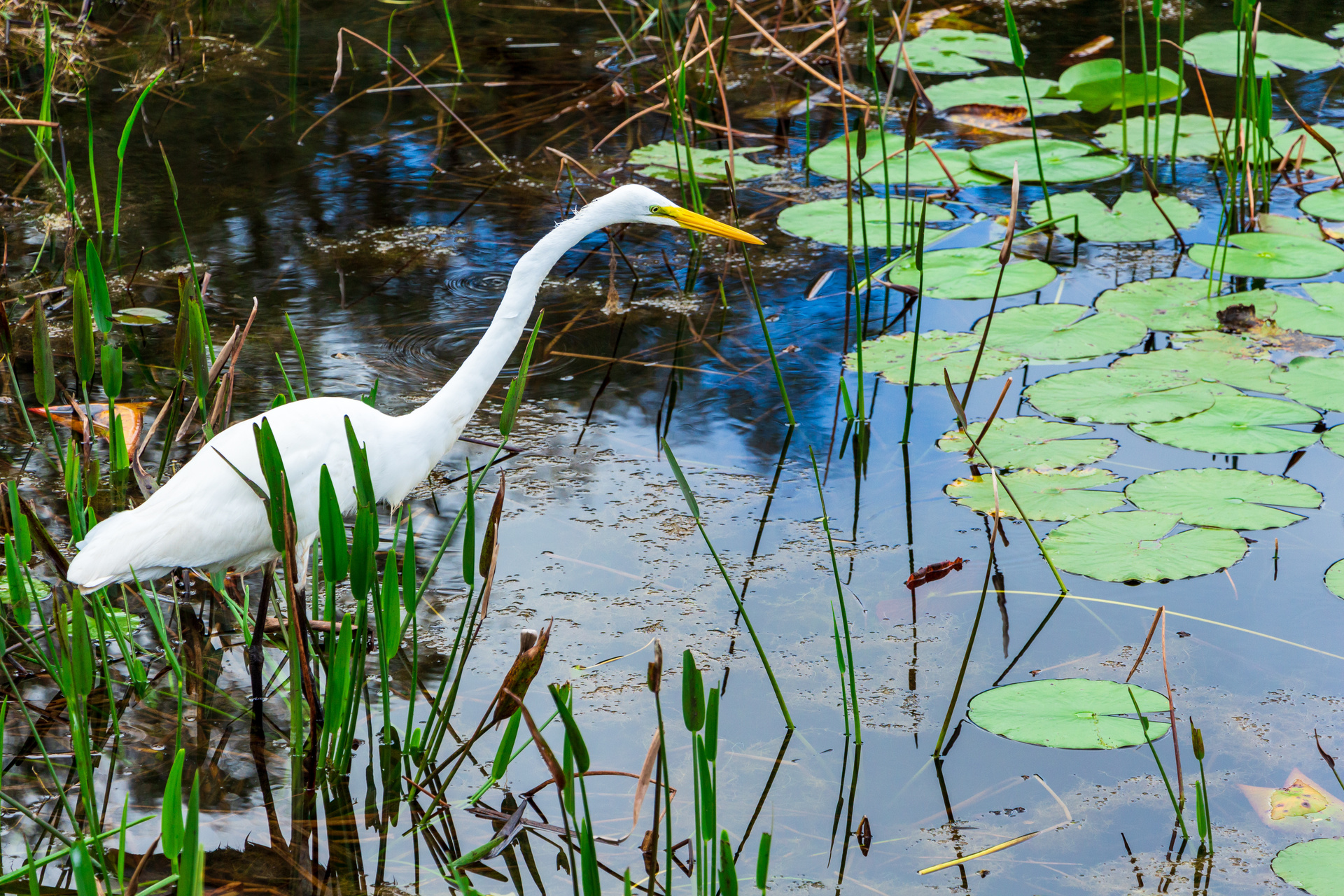
Louisiana wetlands provide habitat for numerous bird species.
Depending on the season and location, visitors may encounter herons, egrets, ibises, anhingas, cormorants, hawks, owls, ducks, and other birds associated with wetland environments.
Some birds remain close to the water while searching for fish, frogs, insects, and other food. Others can be found perched high in trees or moving between sections of vegetation.
“Looking only at the water means missing a large part of what is happening,” Walker said. “The tree canopy, exposed branches, shoreline, and areas behind the boat can all contain wildlife.”
Bird behavior can also provide clues about activity elsewhere in the swamp. Sudden movement, calls, or groups of birds gathering in one area can draw attention toward feeding activity or changing conditions.
Cypress Trees Reveal the Character of Louisiana Wetlands
Wildlife represents only one part of the swamp environment.
Bald cypress trees are closely associated with Louisiana wetlands and can create some of the landscape’s most recognizable scenes. Their trunks can rise directly from standing water, often surrounded by cypress knees extending above the surface.
Spanish moss commonly hangs from branches throughout the region, adding another visual element to the landscape.
Slow travel allows more time to observe differences among trees, root systems, vegetation, and areas where the swamp transitions between open water and denser forest.
These transitions can influence where different animals feed, rest, nest, or travel.
The Water Surface Can Reveal Hidden Activity
A swamp may appear still until attention shifts toward smaller movements.
Ripples can indicate fish moving beneath the surface. Bubbles, splashes, or shifting vegetation may reveal activity that would otherwise go unnoticed.
Turtles can often be found resting on partially submerged logs or along banks. Frogs may remain near vegetation at the water’s edge. Snakes can occasionally be observed swimming, resting on branches, or moving through shoreline vegetation.
Nutria, raccoons, wild hogs, and other mammals may also appear in wetland areas, although sightings vary considerably depending on location, weather, season, and time of day.
“Wildlife sightings are never exactly the same from one trip to another,” Walker said. “Temperature, water level, sunlight, season, and even recent weather can affect which animals are active and where that activity occurs.”
Weather and Temperature Affect What Can Be Seen
Louisiana swamp activity changes throughout the year.
Reptiles depend on external temperatures to regulate body heat, meaning alligator and turtle activity can vary with weather conditions.
On cooler days, reptiles may seek areas exposed to sunlight. During warmer periods, animals may spend more time in water or shaded locations.
Bird populations can also change seasonally as migratory species move through Louisiana.
Rainfall and water levels influence the environment as well. Higher water can provide access to areas that were previously shallow, while lower water can expose banks, logs, roots, and mudflats.
These changing conditions mean the same stretch of swamp can appear noticeably different throughout the year.
Smaller Details Often Become More Noticeable at Slow Speeds
Some of the most easily overlooked features of a swamp are not large animals.
Insects moving across the water, spiderwebs between branches, small fish near the surface, unusual plants, flowers, tracks in the mud, nesting material, and marks left by animals can all provide information about the ecosystem.
Even sounds become more noticeable when a boat is moving slowly.
Bird calls, insects, frogs, splashes, wind moving through trees, and other natural sounds contribute to the experience.
A slower pace can also make it easier to understand how interconnected the environment is. Trees provide nesting and resting areas. Aquatic vegetation creates habitat for smaller organisms. Fish and amphibians become food sources for larger animals. Changes in water levels affect where many of those species can travel.
Swamps Contain Signs of Human History
Louisiana wetlands also contain evidence of human activity.
Depending on the area, visitors may encounter old camps, docks, fishing equipment, drainage structures, remnants of previous development, and waterways historically used for transportation and commerce.
Some channels have been altered by human activity, while others follow natural patterns created by water movement over long periods.
Understanding these features can add historical context to the landscape.
A Louisiana swamp can initially appear quiet and relatively unchanged. Closer observation often reveals constant movement.
A bird shifts between branches. A turtle slides from a log. An alligator’s eyes appear above the surface. Fish disturb otherwise calm water. Spanish moss moves with the wind while insects travel across floating vegetation.
Much of that activity happens without announcing itself.
Traveling slowly provides additional time for those details to become visible and offers a different perspective on an environment that operates according to its own rhythms.
About Louisiana Tour Company
Louisiana Tour Company is based in New Orleans, Louisiana, and conducts swamp tours and other visitor experiences highlighting the landscapes, wildlife, waterways, and cultural history of South Louisiana.
Morgan Thomas
Rhino Digital, LLC
+1 504-875-5036
email us here
Visit us on social media:
Facebook
Legal Disclaimer:
EIN Presswire provides this news content "as is" without warranty of any kind. We do not accept any responsibility or liability for the accuracy, content, images, videos, licenses, completeness, legality, or reliability of the information contained in this article. If you have any complaints or copyright issues related to this article, kindly contact the author above.
